can you have collagen peptides while pregnant Can you take collagen powder (peptides) while pregnant? is it safe
During pregnancy, women are often concerned about what they can and cannot consume. One question that frequently arises is whether it is safe to take collagen supplements while pregnant. Collagen has gained popularity in recent years for its potential health benefits, such as improving skin elasticity and joint health. However, it is important to understand the potential implications of taking collagen during pregnancy.
Understanding Collagen
Collagen is a protein that is naturally produced by the body and plays a crucial role in supporting the structure and elasticity of various tissues, including the skin, tendons, and ligaments. It is also found in abundance in bones, cartilage, and blood vessels. As we age, our body’s natural collagen production declines, leading to signs of aging such as wrinkles and joint stiffness.
Collagen supplements, usually derived from animal sources like bovine or marine collagen, have gained popularity for their potential health benefits. These supplements come in various forms, including powders, capsules, and liquids, and are often marketed for their skin rejuvenating and anti-aging properties.
Can You Take Collagen While Pregnant?
There is limited research on the safety of taking collagen supplements during pregnancy. Since pregnancy is a crucial period for the development of the baby, caution is advised when it comes to introducing new supplements into your routine.
It is always recommended to consult with your healthcare provider before starting any new supplement regimen, including collagen. They can assess your specific situation and provide personalized guidance on what is safe for you and your baby.
Why Some Experts Advise Against Taking Collagen While Pregnant
Although there is limited research on the topic, some experts advise against taking collagen supplements during pregnancy due to a few potential concerns:
1. Safety and Quality
Collagen supplements are not regulated by the U.S. Food and Drug Administration (FDA) in the same way as pharmaceutical drugs. This lack of regulation means that the safety and quality of collagen supplements can vary significantly between brands and products. There is a risk of contamination or unknown additives that may pose a risk during pregnancy.
When pregnant, it is essential to be cautious about the products we consume to ensure the highest level of safety for both the mother and the developing baby.
2. Allergies and Sensitivities
Some collagen supplements may contain allergens such as fish or shellfish, which could trigger an allergic reaction in certain individuals. Allergic reactions during pregnancy can pose additional risks and complications, making it important to be aware of the potential allergens present in collagen supplements.
3. Uncertain Effects on Fetal Development
While collagen is a naturally occurring protein in the body, the effects of taking collagen supplements specifically during pregnancy have not been extensively studied. There is limited information available regarding the potential impact on fetal development, and therefore caution is advised.
Alternative Options for Supporting Collagen Production
If you are looking to support collagen production during pregnancy without the use of supplements, there are several natural ways to do so:
1. Nutrient-Rich Diet:
A healthy, balanced diet rich in vitamins, minerals, and protein can provide the necessary building blocks for collagen synthesis. Incorporate foods such as lean meats, poultry, fish, legumes, fruits, vegetables, and whole grains into your meals.
2. Vitamin C:
Vitamin C is essential for collagen synthesis. Including foods high in vitamin C, such as citrus fruits, strawberries, bell peppers, and broccoli, can help support your body’s natural production of collagen.
3. Hydration:
Drinking an adequate amount of water is important for maintaining healthy skin and supporting collagen production. Aim to drink at least 8 glasses of water per day and avoid excessive consumption of dehydrating beverages such as coffee and alcohol.
4. Avoiding Sun Damage:
Excessive sun exposure can damage collagen fibers in the skin, leading to premature aging. Protect your skin by wearing sunscreen, seeking shade, and wearing protective clothing, especially during peak sun hours.
Conclusion
The safety of taking collagen supplements during pregnancy is still uncertain due to limited research. It is always best to consult with your healthcare provider for personalized advice before introducing any new supplements into your routine.
If you are looking for ways to support collagen production while pregnant, focus on maintaining a healthy and balanced diet, staying hydrated, and protecting your skin from sun damage. These natural practices can help optimize your body’s collagen synthesis without the need for additional supplements.
If you are searching about Can You Take Collagen While Pregnant? - Mindfulness Mama you’ve came to the right web. We have 5 Images about Can You Take Collagen While Pregnant? - Mindfulness Mama like Can You Take Collagen While Pregnant? - Mindfulness Mama, Can You Take Collagen Powder (Peptides) While Pregnant? Is It Safe and also Can You Take Collagen While Pregnant? | Peanut. Read more:
Can You Take Collagen While Pregnant? - Mindfulness Mama
 mindfulnessmama.comCan You Take Collagen While Pregnant? | Peanut
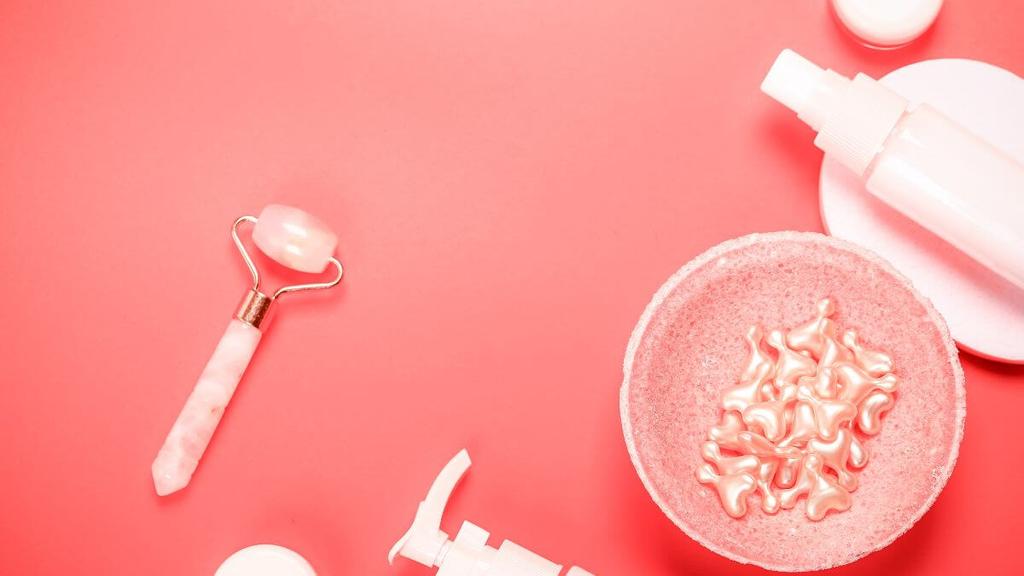 www.peanut-app.ioCan You Take Collagen While Pregnant? Why And Why Not!
 personalcaretruth.comCan You Take Collagen While Pregnant? - Mindfulness Mama
 mindfulnessmama.comCan You Take Collagen Powder (Peptides) While Pregnant? Is It Safe
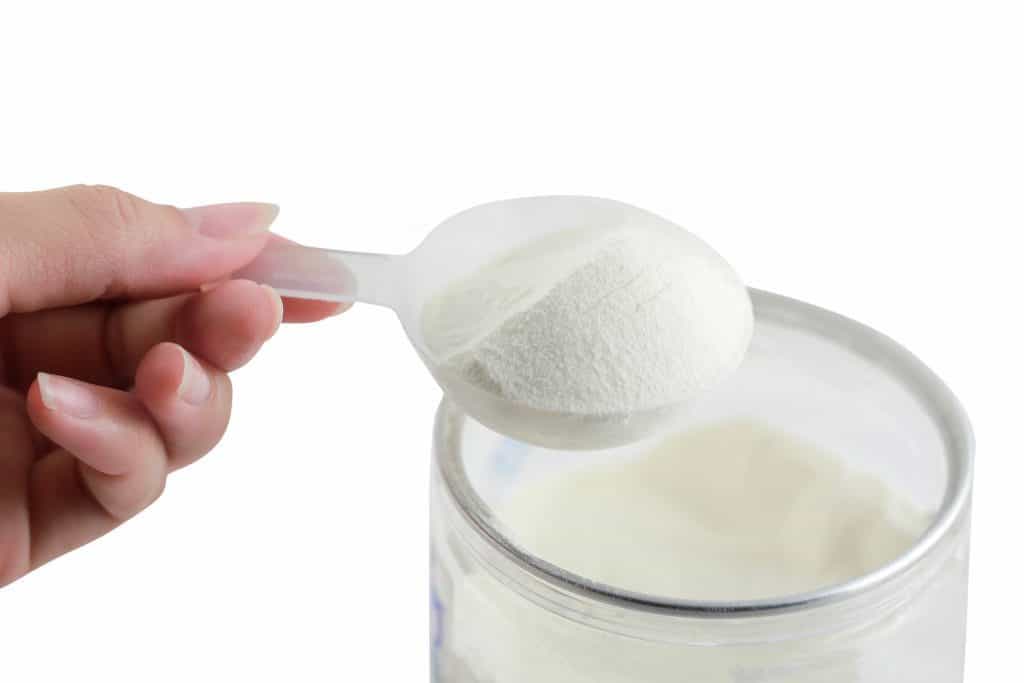 www.pregnancyfoodchecker.comcollagen integratori collagene gelatin bufala consigli efficacia scientifica gilles cura revisione ferraresi dottor supervisione jello isolate
Collagen integratori collagene gelatin bufala consigli efficacia scientifica gilles cura revisione ferraresi dottor supervisione jello isolate. Can you take collagen while pregnant?. Can you take collagen powder (peptides) while pregnant? is it safe